Properties Cleared From Trees to Finished Grade
Land Clearing in Wilmington for residential and commercial sites requiring full debris removal and site preparation
Overgrown lots and storm-damaged properties accumulate trees, brush, and debris that prevent construction access, create fire hazards, and reduce usable land area. Above All Arbor removes standing trees, grinds brush using forestry mulch equipment, and manages debris across coastal properties in Wilmington and neighboring areas. Beach communities and residential neighborhoods near New Hanover County see recurring demand for complete site restoration after hurricane season and during pre-development preparation phases.
The clearing process combines tree removal with brush grinding in a single integrated operation. Crews fell standing trees, section trunks for removal, and process remaining brush through mulching equipment that eliminates the need for separate grinding and hauling steps. This approach reduces the timeline from initial assessment to finished cleared lot, particularly on properties where access limits equipment options or where multiple debris types require handling.
Arrange an on-site evaluation to identify specific clearing requirements based on your property's tree density and debris volume..
What Proper Site Clearing Requires
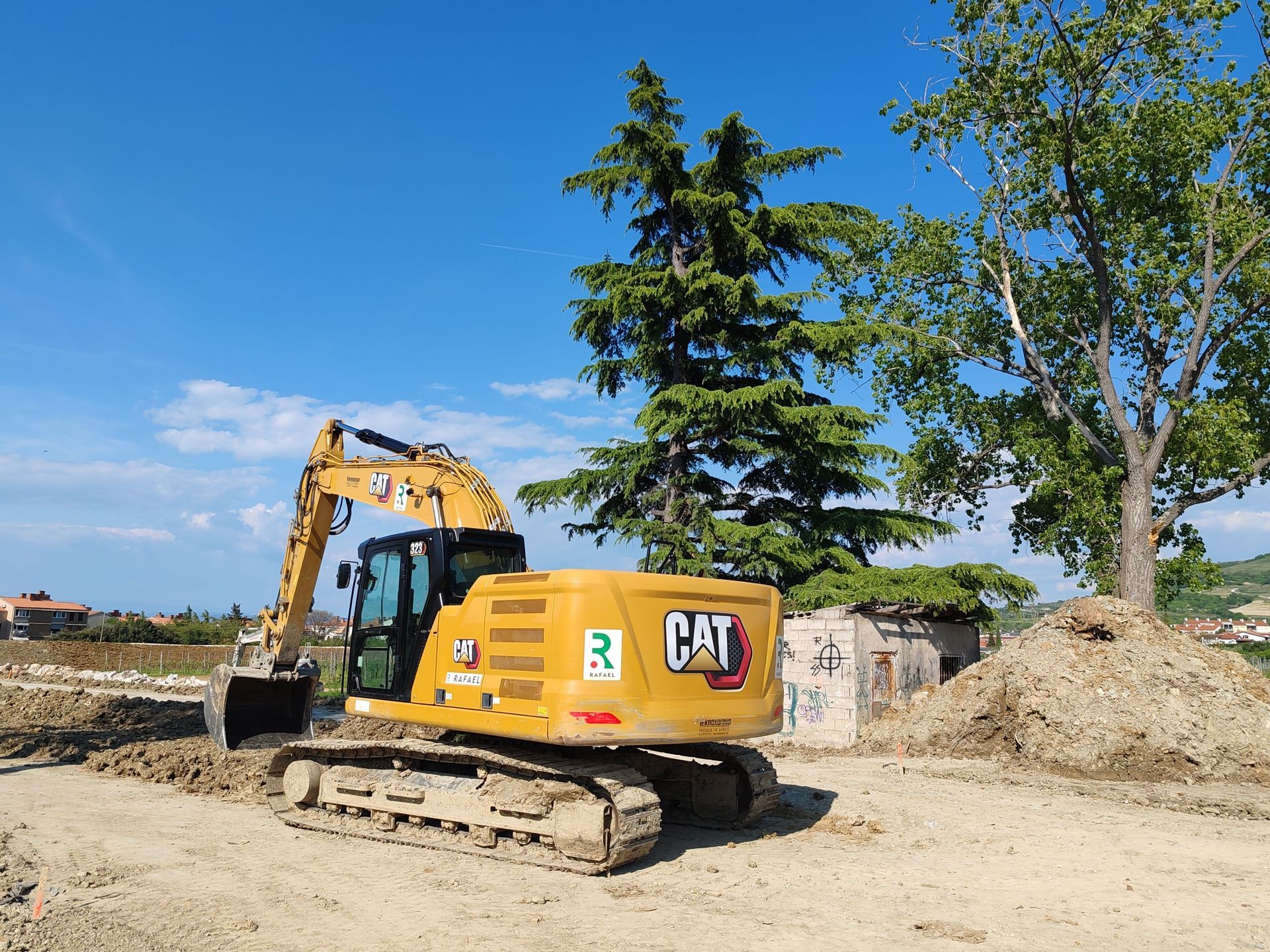
Complete land clearing addresses trees at grade level, processes undergrowth and brush into manageable material, and removes or redistributes debris depending on site plans. Stumps get ground to below-grade depth if grading or construction follows, and root systems are addressed where they interfere with drainage or foundation work. The equipment handles material in sequence, starting with hazardous or leaning trees and progressing through brush and smaller vegetation.
Your property transitions from overgrown or storm-damaged condition to cleared land ready for grading, landscaping, or construction access. Debris no longer blocks driveways or structures, fire risk from accumulated dead material drops, and the lot becomes accessible for equipment and building operations. On coastal properties, clearing also improves wind flow and reduces projectile hazards during severe weather events.
Land clearing does not include grading, soil amendment, or landscaping installation. The service focuses on vegetation and debris removal, leaving a cleared surface that may require additional site work depending on intended use. Properties with significant stump counts or root systems may need supplemental grinding or excavation beyond standard clearing operations..
Questions Before Starting Your Clearing Project
Property owners preparing for construction or recovering from storm damage typically ask about timelines, equipment access, and what the finished site will look like after clearing operations complete.
What happens to the trees and brush after they are removed from my property?
Material gets processed through forestry mulching equipment and either removed from the site or spread as ground cover, depending on your site preparation plans and whether grading or construction follows immediately.
How does land clearing work on properties with limited access in Wilmington neighborhoods?
Equipment selection adjusts based on gate widths, overhead clearance, and terrain conditions, with smaller machinery used in tight residential spaces where full-size clearing equipment cannot maneuver safely.
What is included in a complete land clearing operation?
The service covers tree felling and removal, brush grinding, debris management, and stump grinding to grade level, creating a cleared lot ready for the next phase of site development or landscaping.
When should I schedule land clearing after storm damage occurs?
Clearing should begin as soon as hazardous trees are assessed and removal is safe, particularly when fallen trees block structures, driveways, or utility access, to prevent further property damage and allow insurance documentation.
Why do some clearing projects in coastal areas take longer than others?
Tree density, debris volume, soil saturation after storms, and equipment access limitations all affect project duration, with heavily overgrown or storm-damaged lots requiring more time to process and clear completely.
Above All Arbor handles clearing projects that other operators leave incomplete, particularly on properties with complex debris conditions or tight access constraints. Contact the company directly to schedule a site visit and receive a clearing estimate based on your lot's specific conditions.